

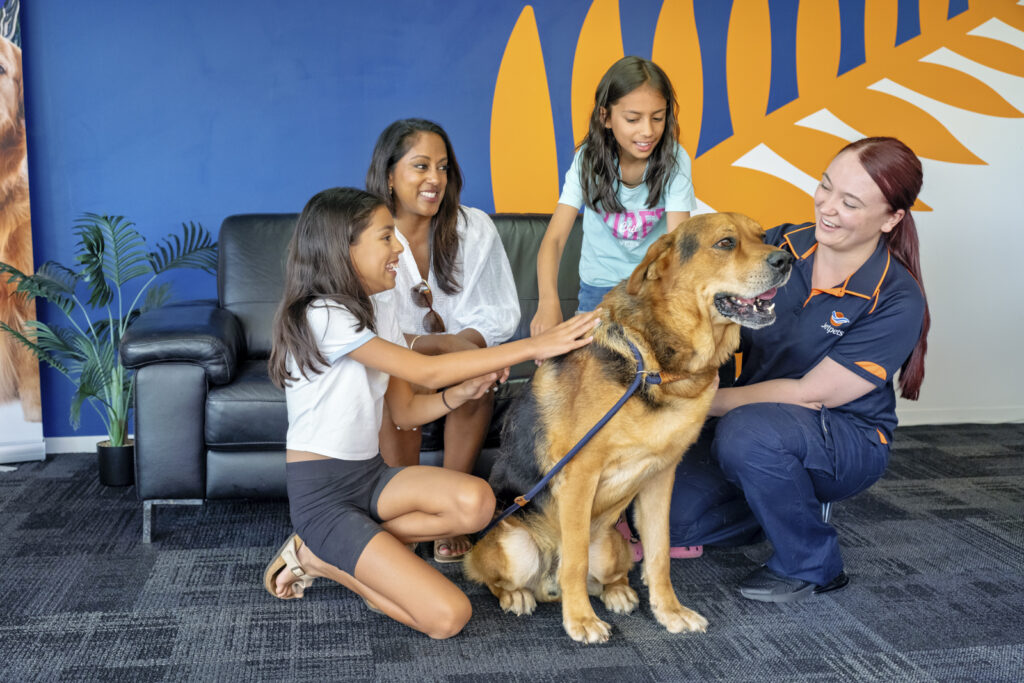
Moving, near or far, is a big change for both people and their pets. Even when travel is carefully planned and professionally managed, arriving in a new home can feel unfamiliar at first. A smooth journey is important, but what happens after arrival is just as impactful to your pet’s long term wellbeing.
With patience, structure and reassurance, most pets adjust well to their new home. Understanding how animals experience change and knowing how to support them can make the transition easier for everyone.
Why Relocation Can Feel Overwhelming
Animals experience change through their senses. New sounds, surfaces, smells and routines can be stimulating or overwhelming, particularly when they come all at once.
International relocations also introduce longer travel times, different climates and unfamiliar surroundings.
Even domestic moves within New Zealand can feel disorienting, especially if your pet is adjusting to a different type of property or neighbourhood. Cats, dogs and other companion animals may respond to the change in different ways, but a period of adjustment is entirely normal, and just like with humans, can vary depending on your pet’s personality. How they react to the move might seem like the biggest concern, but it’s actually how you manage them through it that makes the biggest difference.
Recognising the Signs of Adjustment
Some pets settle quickly, while others need more time to feel secure. Common behaviours you might notice following your move include:
- Changes in appetite or water intake
- Sleeping more or less than usual
- Increased vocalising
- Hiding or reluctance to explore
- Clinginess or temporary withdrawal
- Mild digestive changes
These are often short term issues, and are a normal part of the process. If you’re concerned that your pet is exhibiting behavioural changes outside of what’s ‘normal’ or expected, getting advice from your vet is always recommended.
Helping Them Settle In
When you get to your new place, here are a few tricks you can have up your sleeve to try and speed up the settling in period:
Set Up a Calm and Familiar Environment
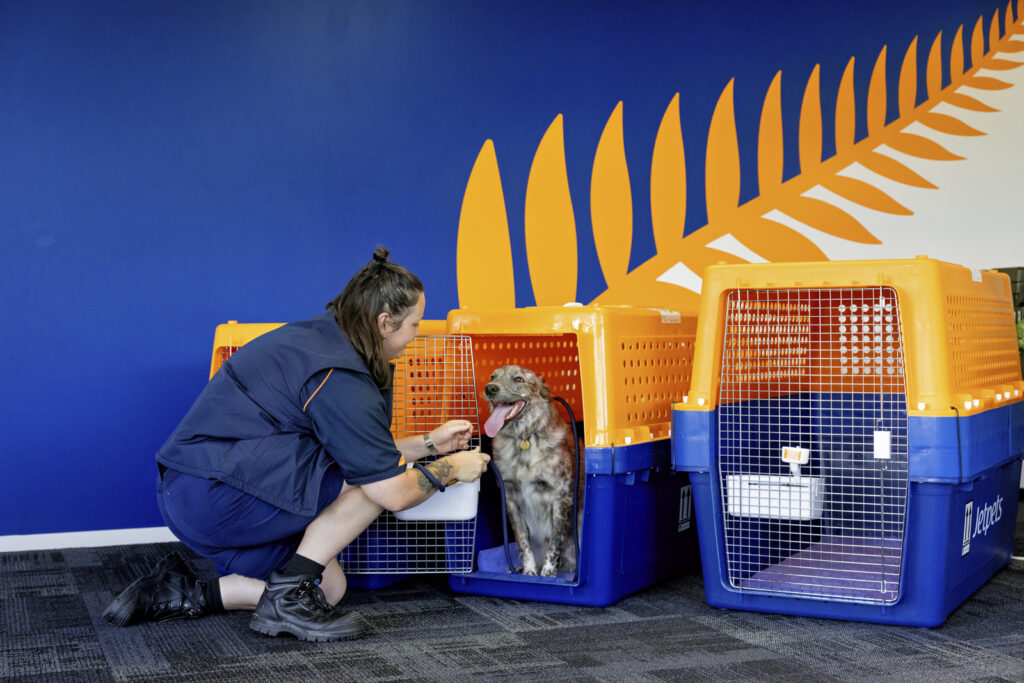
One of the most effective ways to support your pet after a move is to start small. A quiet, low traffic space with familiar bedding, toys, crates or carriers allows them to decompress after arrival. Familiar scents from your previous home can provide reassurance and help bridge the gap between old and new surroundings, which are usually carried in soft furnishings like blankets and pillows.
Once this safe space is established, it becomes a secure base from which your pet can gradually explore when they feel ready.
Take a Gradual Approach to Exploration
Once your pet appears relaxed in their safe space, exploration can be expanded gradually. Introducing one area at a time helps prevent overwhelm and supports confidence building; this goes for cats in particular.
Some pets will be curious straight away, while others prefer to observe before engaging. Both responses are normal, so simply allow them to move at their own pace.
Pets that spend time outdoors usually benefit from early exposure that’s controlled and positive. For dogs, begin with short, calm walks around your new neighbourhood. Supervised outdoor access helps them become familiar with new surroundings safely, particularly in unfamiliar areas or different climates.
If you have moved within New Zealand from an urban setting to a rural property, or vice versa, be mindful of new environmental factors such as livestock, wildlife or increased traffic.
Re-Establish Routine and Predictability
Routine provides reassurance. Returning to regular feeding times, walks, play sessions and rest periods helps restore a sense of normality.
If you have relocated internationally across time zones, gradual adjustments to daily schedules are typically easier for pets to adapt to than sudden changes. Consistency helps reinforce that while the location has changed, their bond with you and daily care remain steady.
Supporting Rest and Recovery After International Travel
For pets who have travelled long haul, additional rest is important. Keep activity levels light in the first few days and allow time for recovery.
Climate differences may also require an adjustment period. Moving to a warmer, cooler or more humid environment can temporarily affect comfort and energy levels, so monitor your pet closely and provide shade, warmth or hydration as needed.
Professional Care From Start to Finish
A smoother adjustment often begins well before arrival. Jetpets operates with experienced Pet Travel Consultants, Pet Handlers and Veterinarians who ensure every journey is carefully managed. With custom built road transport, modern transit lounges and qualified staff trained in pet care and veterinary science, every stage of travel is designed to prioritise safety and comfort. This professional approach helps reduce stress during transit and supports a more settled transition into your new home.
Travel with Confidence
Travelling with your pet should be an exciting experience, not a stressful one. From export permits and veterinary checks to crate training and transit planning, every detail plays an important role in ensuring your pet’s wellbeing.
At Jetpets NZ, we provide expert advice, personalised care, and ongoing support throughout the entire process. Our team makes sure your pet is safe, calm, and comfortable from the very first preparations through to the moment they are reunited with you at your destination.
Get in touch with us today to begin planning your next domestic or international move with confidence!